Protein Intake vs Weight Loss: What Research Really Shows
A systematic look at the clinical evidence linking protein consumption to fat loss outcomes

Protein's role in weight loss is one of the most well-researched areas in nutritional science. The evidence is unusually consistent — but the nuances matter. Here's what the clinical literature actually shows.
Thermic Effect: The Metabolic Bonus
Protein requires 25–30% of its caloric content for digestion, absorption, and utilization — compared to 6–8% for carbohydrates and 2–3% for fat. This thermic effect difference means that 100 kcal of protein effectively delivers ~70–75 net calories. A 2020 meta-analysis found high-protein diets increase total daily energy expenditure by approximately 80–100 kcal/day through this mechanism alone.
Satiety: The Appetite Suppression Effect
Protein is the most satiating macronutrient. High-protein diets consistently reduce ad libitum calorie intake by 400–600 kcal/day in controlled feeding studies — without conscious restriction. This appears mediated by increased GLP-1 and PYY secretion (appetite-suppressing hormones) and reduced ghrelin (hunger hormone). The satiety effect of protein is its most clinically significant fat loss mechanism.
Muscle Preservation During Deficit
Multiple RCTs comparing high vs. normal protein diets in caloric deficit consistently show better lean mass preservation with higher protein. A seminal study by Layman et al. showed that doubling protein intake (from RDA to ~1.6g/kg) during caloric restriction doubled fat loss while maintaining lean mass. This preservation effect protects metabolic rate and long-term weight maintenance.
The Dose-Response Relationship
Evidence supports benefits increasing up to approximately 1.6g/kg/day for most individuals. A meta-analysis by Morton et al. (2018) found muscle protein synthesis rates plateau around 1.62g/kg/day in recreationally active individuals. For those on GLP-1 medications or in aggressive deficits, evidence supports going up to 2.0–2.4g/kg given the increased muscle loss risk.
Source Matters Less Than You Think
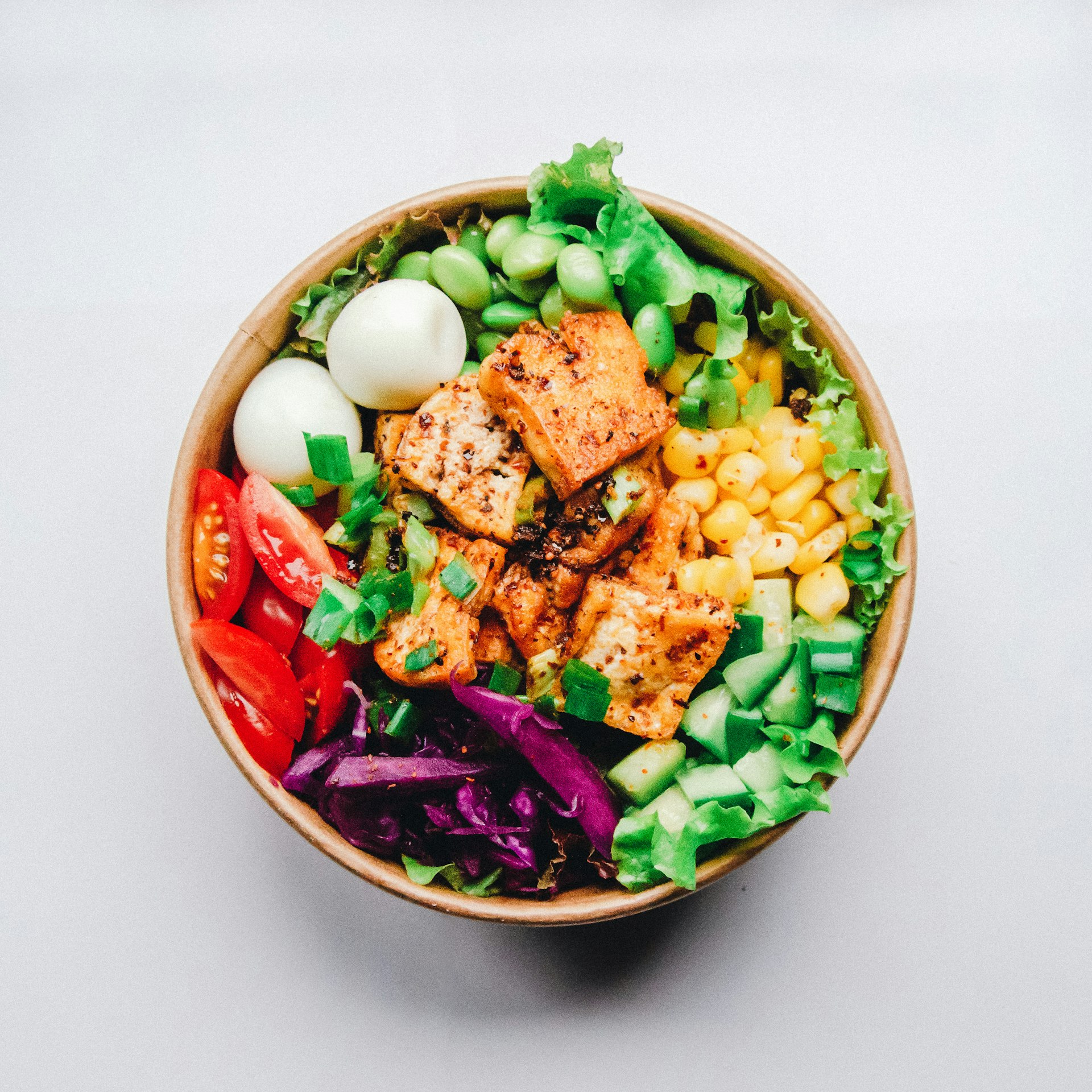
Head-to-head comparisons of animal vs. plant protein sources show equivalent effects on body composition when total protein and leucine content are matched. The key variable is leucine — the amino acid that triggers muscle protein synthesis. Whey is highest in leucine; plant sources generally require higher total protein intake to match the anabolic response of animal sources.
The evidence for protein's role in fat loss is among the most consistent in nutritional science. Optimize for 1.6–2.2g/kg bodyweight, prioritize leucine-rich sources, and distribute intake across meals. This single variable produces measurable improvements in fat loss, muscle preservation, and metabolic rate.